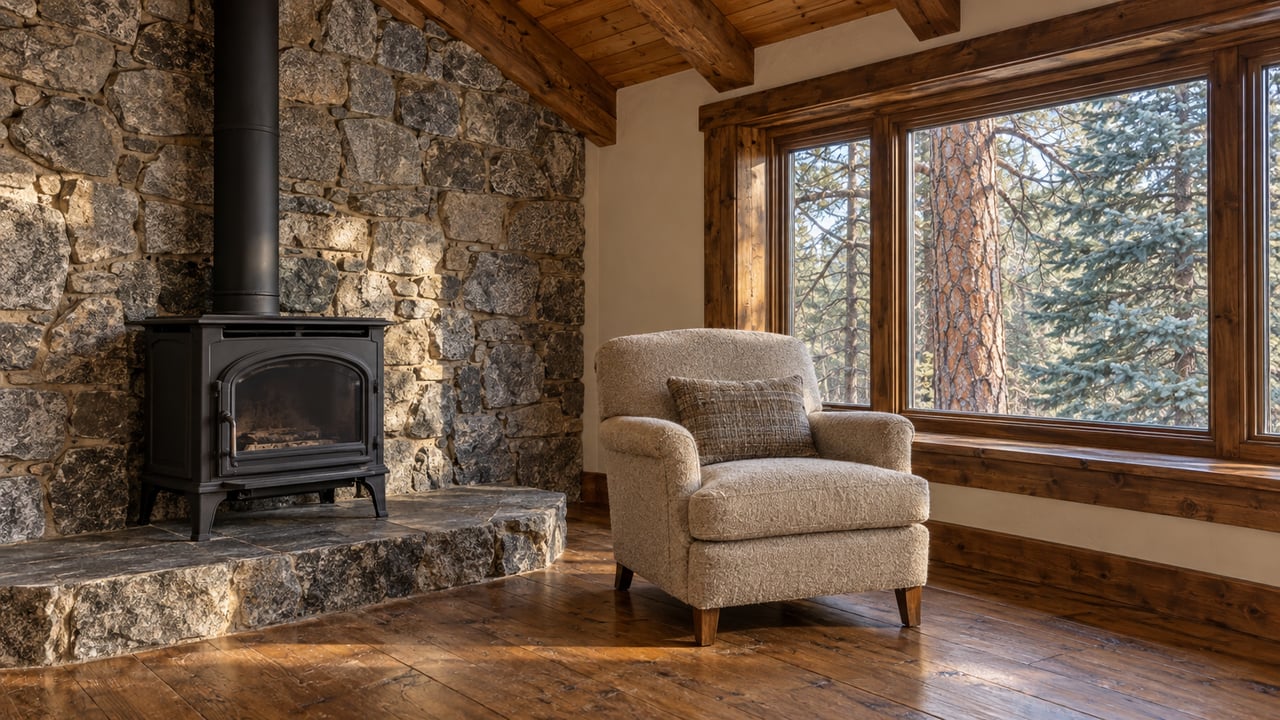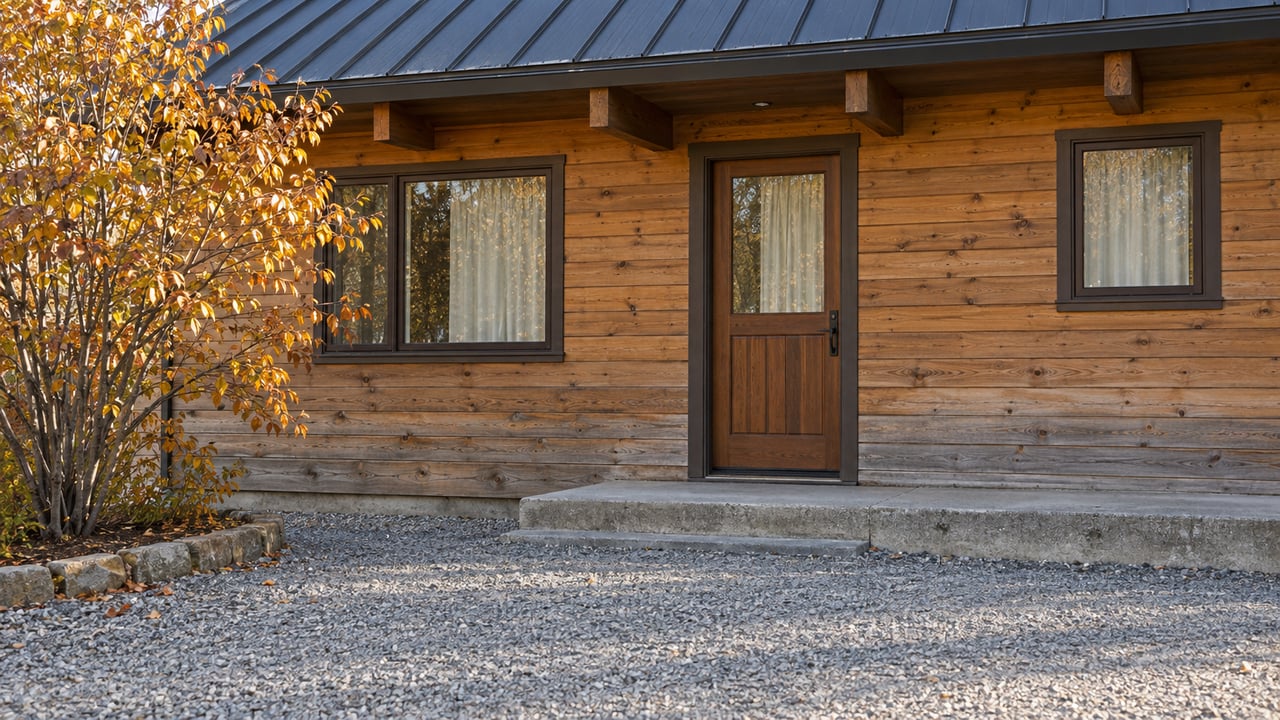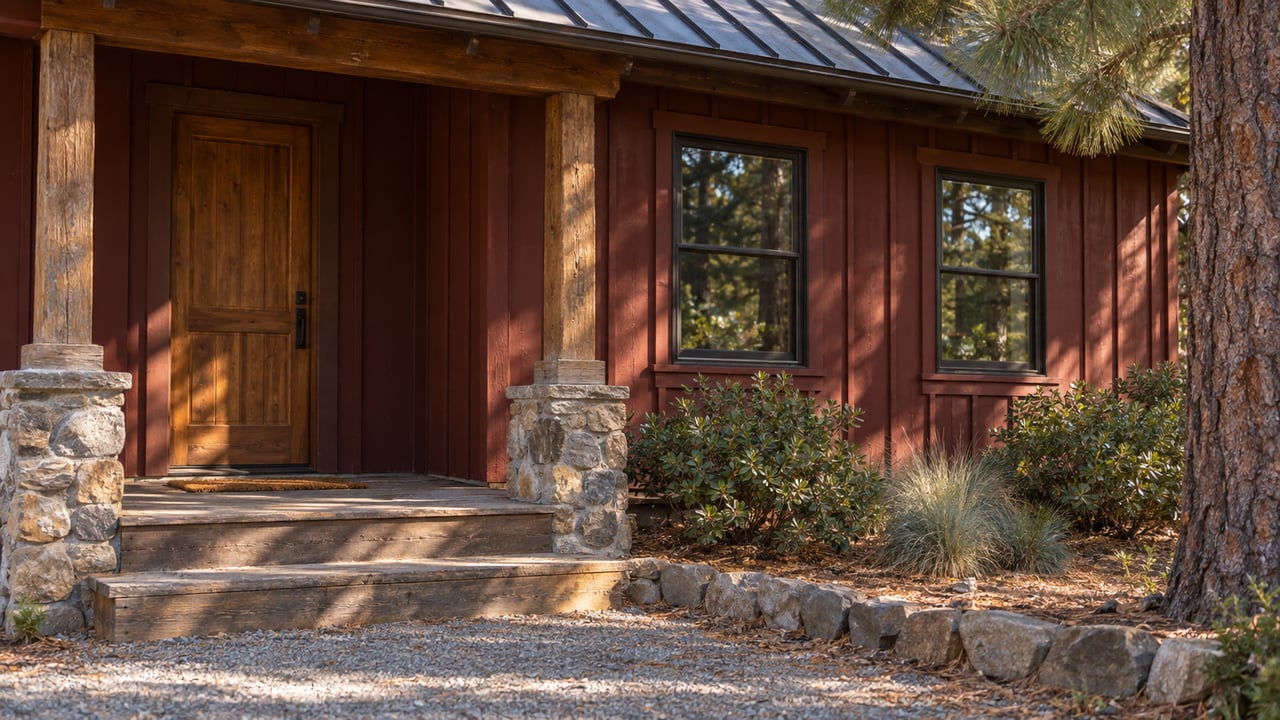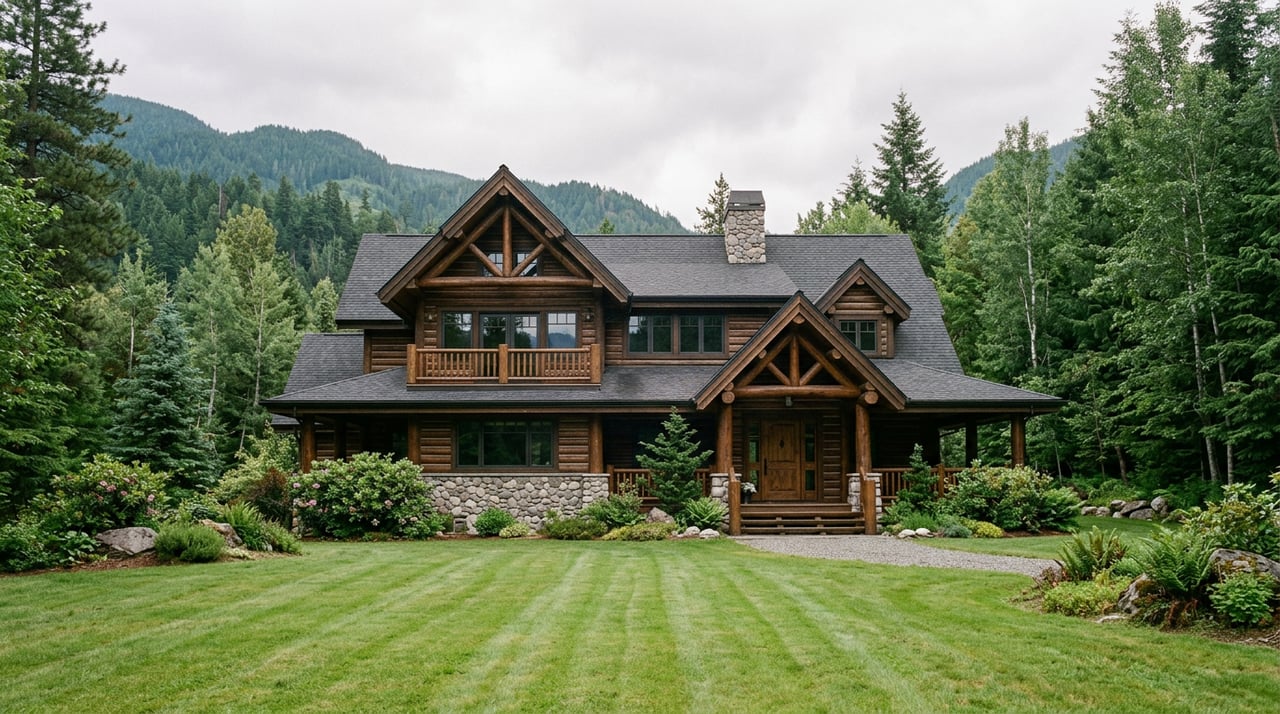
Picture two buyers with nearly identical budgets, both looking at a mountain-modern home priced somewhere in the high six figures, both planning to use it part of the year and rent it the rest to help cover the note. One is looking in Truckee. The other is looking at Nakoma Resort, forty-five minutes north in the Lost Sierra. On paper, the homes compete on the same terms: similar square footage, similar finishes, similar proximity to skiing and alpine lakes.
They are not competing on the same terms. The moment either buyer closes escrow, they step into two entirely different regulatory clocks
The Application You Can't File for a Year
Truckee's short-term rental program caps the number of registration certificates townwide at 1,255. That cap was set in 2022 at the level of active rentals already operating, and it filled up. New applicants don't get a certificate. They get a place in line.
Before a new owner can even join that line, the Town requires a 365-day waiting period from the date of sale. This isn't a grandfather clause that softens with time. It applies to every buyer, regardless of when the home last changed hands, and the registration itself doesn't transfer with the property. When a Truckee short-term rental sells, the certificate dies with the sale. The new owner starts from zero.
Then comes the wait itself. The Town of Truckee's own registration and waitlist standings page lists applicants ahead of new entrants, a number that moves as small batches of certificates open up but hasn't come close to clearing. A mandatory year of doing nothing is followed by a waitlist that itself runs well over a year. For a full breakdown of the program's rules on caps, fire inspections, and renewal cycles, the Town's short-term rental page lays it out directly.
None of this is arbitrary. Truckee built the cap and the dead period specifically to slow down buyers who purchase a home purely to flip it into a rental, and the Town pairs it with programs like Lease to Locals, which pays homeowners to rent to the local workforce instead of vacationers. It's a policy built to protect a housing supply under real pressure. It's also a cost that shows up nowhere on a listing sheet.
The Ordinance That Doesn't Exist
Cross the county line into Plumas County, where Nakoma sits, and the picture changes because the rule changes. Plumas County has no short-term rental ordinance. As of a September 2025 Citizen Portal report, the Planning Director confirmed that supervisors had specifically directed the department not to develop one and that no ordinance was in drafting. County ordinances of this kind don't tend to appear overnight, so that stance is worth treating as the current baseline, though any buyer weighing this heavily should confirm the county's position hasn't shifted since.
Nakoma's own homeowners association goes further than simply being unregulated by default. The HOA permits short-term rentals under bylaws the resort describes as friendly to owners and considerate of neighbors, and owners aren't left to figure out hosting on their own. Nakoma runs its own Vacation Rental Management Program, where the resort's hospitality team handles bookings and guest logistics much like a hotel reservation, applicable taxes collected automatically at time of booking. An owner who would rather list independently is free to do that too.
Here's the comparison stripped down to what actually changes a buyer's timeline:
| Nakoma Resort (Plumas County) | Truckee (Nevada County) | |
|---|---|---|
| Countywide STR cap | None currently in place | 1,255 certificates, cap reached |
| Waitlist for new owners | None | Waitlist in place |
| Waiting period after purchase | None | 365 days before applying |
| Built-in rental management option | Yes, through the resort's own program | Varies by individual HOA |
What This Actually Changes in the Math
Nakoma's price range gives a sense of what that head start applies to. Vacant homesites start around $100,000, with Signature Series lots priced from roughly $300,000, and turn-key mountain-modern homes running from about $800,000 up to $2.7 million. Homesites at Nakoma also average more than two acres, noticeably larger than what's typical in tighter Tahoe-area subdivisions, which matters if privacy and space are part of what a buyer is paying for alongside the rental math.
Set a $900,000 home in each location side by side and the sale price tells you almost nothing about year-one cash flow. The Truckee buyer's mortgage runs alone before a renter can legally walk in the door, assuming the waitlist moves at its current pace and the buyer clears every requirement the moment they're eligible. The Nakoma buyer can start booking guests on their own timeline. That difference alone can be worth tens of thousands of dollars in rental income the Truckee buyer simply doesn't have access to during the wait.
This is worth saying plainly: it isn't a case against Truckee. Plenty of buyers want exactly what Truckee's rules are built to protect, a quieter neighborhood with fewer weekend turnovers next door. The point is that the two markets are answering different questions, and a buyer who assumes the rental math is roughly interchangeable because the home prices look similar is working from an incomplete picture.
The Rule That Isn't Guaranteed to Stay a Rule
One more layer worth holding onto. A September 2025 report by Citizen Portal also said Plumas County had secured a Community Development Block Grant to fund a countywide housing study, with the department describing roughly nine months of work ahead to deepen the data behind the county's housing element and touch on issues including short-term rentals where relevant. A nine-month study that started around then would already be wrapping up or complete by now, and whatever it finds could eventually feed into a future ordinance conversation, though nothing in the record points to a specific proposal in motion. Today's hands-off approach is a real and current fact. It is not a permanent one, and any buyer weighing rental income into a purchase decision should treat it as the condition on the ground right now rather than a guarantee that outlives the transaction.
A Few Questions Worth Asking Directly
Does buying at Nakoma mean there are no rules at all on renting my home? No. What's different is the absence of a cap, a waitlist, or a waiting period after purchase.
Could Nakoma's HOA change its own stance on rentals later? HOA bylaws are set by the community. The current bylaws are owner-friendly toward short-term rentals, but that's a community decision, not a county mandate, and it's worth reviewing current governing documents directly with the HOA before counting on rental flexibility long term.
What if I'm not planning to rent the home at all? Then none of this friction touches you directly. The comparison here only matters for buyers who are factoring rental income into their numbers. If you're buying purely for personal use, the decision comes down to the property, the setting, and the lifestyle fit, which is its own conversation.
If you're comparing Nakoma to other Sierra or Tahoe-adjacent communities and want to work through what a specific property's numbers actually look like once financing, HOA structure, and rental logistics are on the table, that's exactly the kind of detail work The Liz Joy Team handles every day. Let's Connect and figure out what your money actually buys here.
This article is general information, not legal, tax or financial advice. Consult a qualified professional about your situation.